
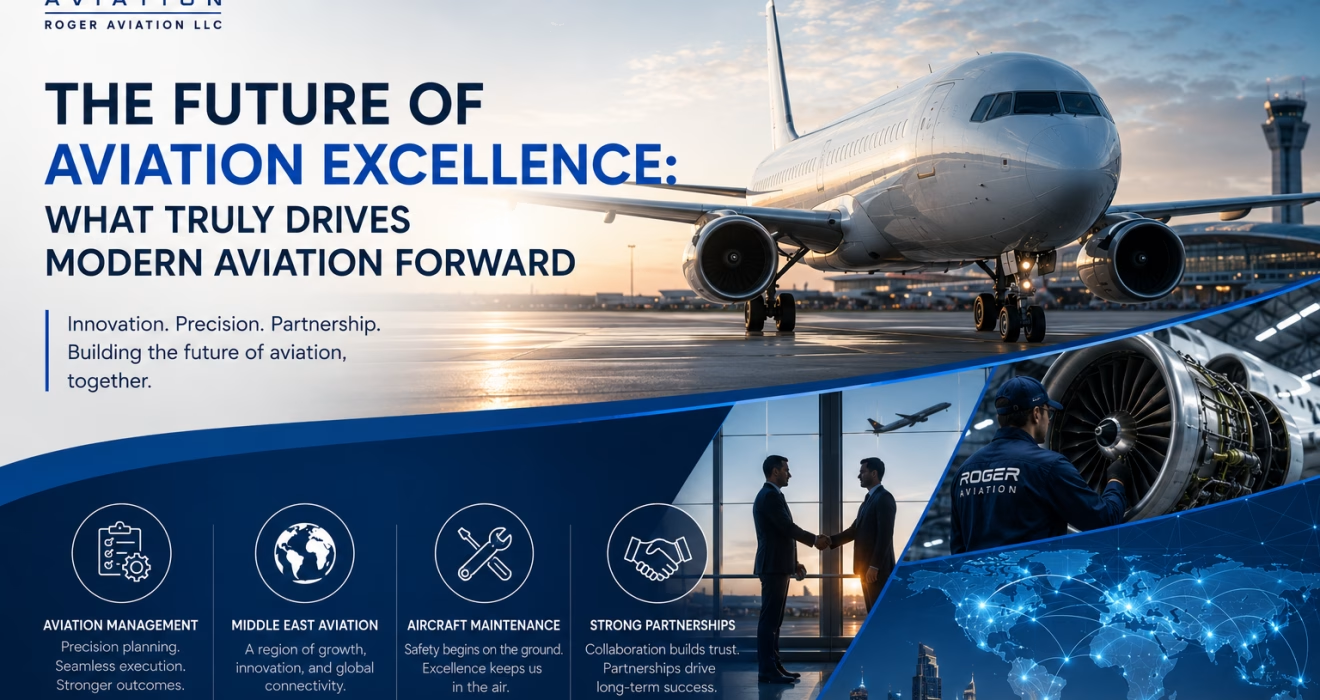
The Future of Aviation Excellence: What Truly Drives Modern Aviation Forward
The aviation industry is entering a new era defined by rapid expansion, technological transformation, operational precision, and global connectivity. Across commercial aviation, corporate aviation, airport infrastructure, maintenance operations, and aviation consulting, one thing is becoming increasingly clear:
Success in aviation is no longer driven by a single factor — it is built through coordination, reliability, innovation, and strong partnerships.
As the industry continues evolving, aviation organizations must adapt to increasing operational demands while maintaining safety, compliance, and efficiency at every stage of the journey.
At Roger Aviation LLC, we believe the future of aviation excellence is shaped by four critical pillars:
- Structured aviation management
- Regional aviation growth and innovation
- Strong maintenance and operational reliability
- Long-term strategic partnerships
Let’s explore why these elements are becoming essential for the future of aviation.
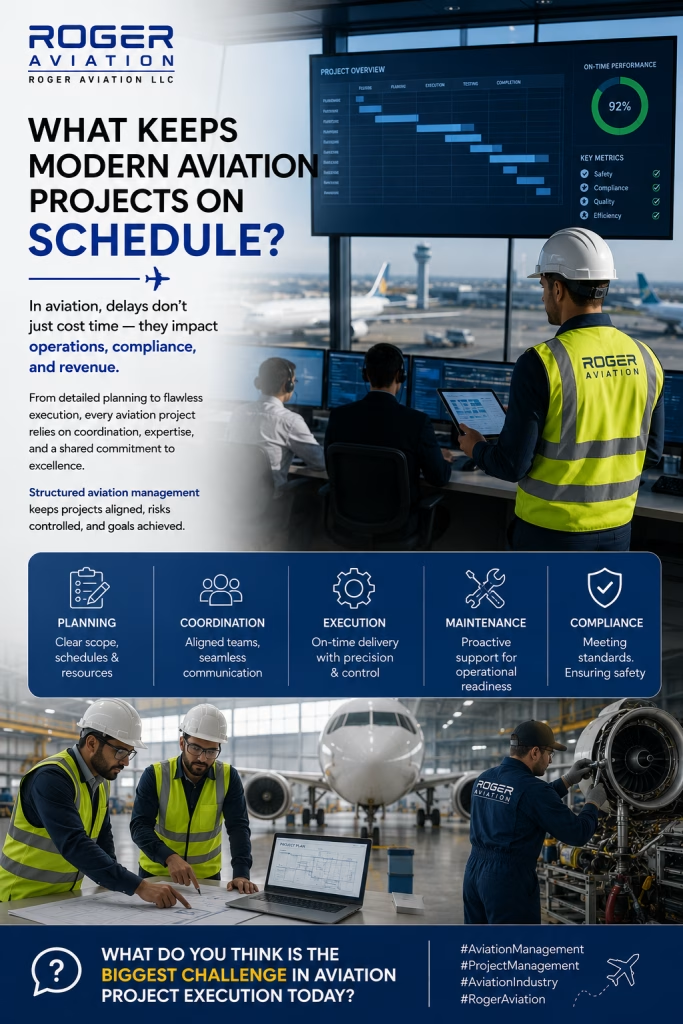
1. Aviation Projects Depend on Precision Coordination
Modern aviation projects involve far more than aircraft and schedules.
Today’s aviation ecosystem requires seamless coordination between:
- Operations teams
- Engineering departments
- Maintenance providers
- Procurement specialists
- Contractors and vendors
- Compliance and regulatory authorities
Whether managing airport developments, operational transitions, maintenance planning, or aviation support services, delays can create significant operational and financial impact.
In aviation, time directly affects:
- Operational continuity
- Regulatory compliance
- Passenger experience
- Revenue performance
This is why structured aviation management has become essential for successful project execution.
Organizations that prioritize planning, communication, and operational visibility are better positioned to minimize risks and maintain long-term efficiency.
2. The Middle East Is Shaping the Future of Global Aviation
The Middle East continues strengthening its position as one of the world’s most influential aviation regions.
Major investments across the region are accelerating growth in:
- Airport expansion projects
- Smart aviation infrastructure
- Private and business aviation
- MRO capabilities
- Digital aviation technologies
- Passenger and cargo connectivity
Countries across the Gulf region are investing heavily in aviation innovation to support long-term economic diversification and international connectivity.
From advanced airport terminals and AI-driven passenger systems to sustainable aviation initiatives and modern maintenance ecosystems, the region is becoming a global center for aviation transformation.
For aviation businesses, this creates significant opportunities for:
- Operational support services
- Aviation consulting
- Technical partnerships
- Infrastructure coordination
- Specialized aviation solutions
As aviation demand continues increasing, organizations that embrace innovation and operational adaptability will play a major role in shaping the next generation of aviation excellence.
3. Aviation Safety Begins Long Before Takeoff
Aircraft safety is built through discipline, preparation, and continuous maintenance excellence.
Behind every successful flight is a foundation of:
- Preventive maintenance
- Technical inspections
- Reliability engineering
- Compliance monitoring
- Operational readiness
Maintenance is not simply a technical requirement — it is a critical part of operational reliability and passenger confidence.
Strong maintenance practices help aviation organizations:
- Reduce operational risks
- Improve aircraft reliability
- Support regulatory compliance
- Enhance operational performance
- Maintain long-term asset value
In today’s aviation environment, proactive maintenance strategies are becoming increasingly important as fleets grow more advanced and operational expectations continue rising.
Every inspection matters.
Every compliance check matters.
Every operational detail matters.
4. Strong Partnerships Continue to Drive Aviation Forward
Aviation has always been an industry built on collaboration.
Successful aviation operations rely on strong relationships between:
- Clients
- Operators
- Aviation consultants
- Maintenance providers
- Engineering teams
- Vendors and contractors
- Regulatory stakeholders
Long-term partnerships create operational stability, improve coordination, and support sustainable business growth.
As aviation becomes increasingly interconnected, organizations that prioritize trust, transparency, and collaboration are better equipped to navigate industry challenges and evolving market demands.
Strong partnerships also encourage:
- Faster decision-making
- Better operational alignment
- Shared innovation
- Long-term business resilience
At Roger Aviation LLC, we recognize that aviation success is not achieved individually — it is built through shared expertise, coordinated execution, and long-term commitment.
Looking Ahead
The future of aviation will continue to be shaped by organizations that combine operational excellence with innovation, reliability, and strategic collaboration.
As the aviation industry evolves, the ability to adapt, coordinate, and maintain high operational standards will become more important than ever.
From aviation management and technical operations to infrastructure development and long-term partnerships, the foundations of aviation excellence remain clear:
✔️ Precision
✔️ Reliability
✔️ Safety
✔️ Collaboration
✔️ Innovation
At Roger Aviation LLC, we remain committed to supporting the aviation industry through forward-thinking solutions, operational expertise, and a shared vision for the future of aviation.